What Are High-Contact Assets? Why They Matter More Than Ever
What Are High-Contact Assets? Why They Matter More Than Ever
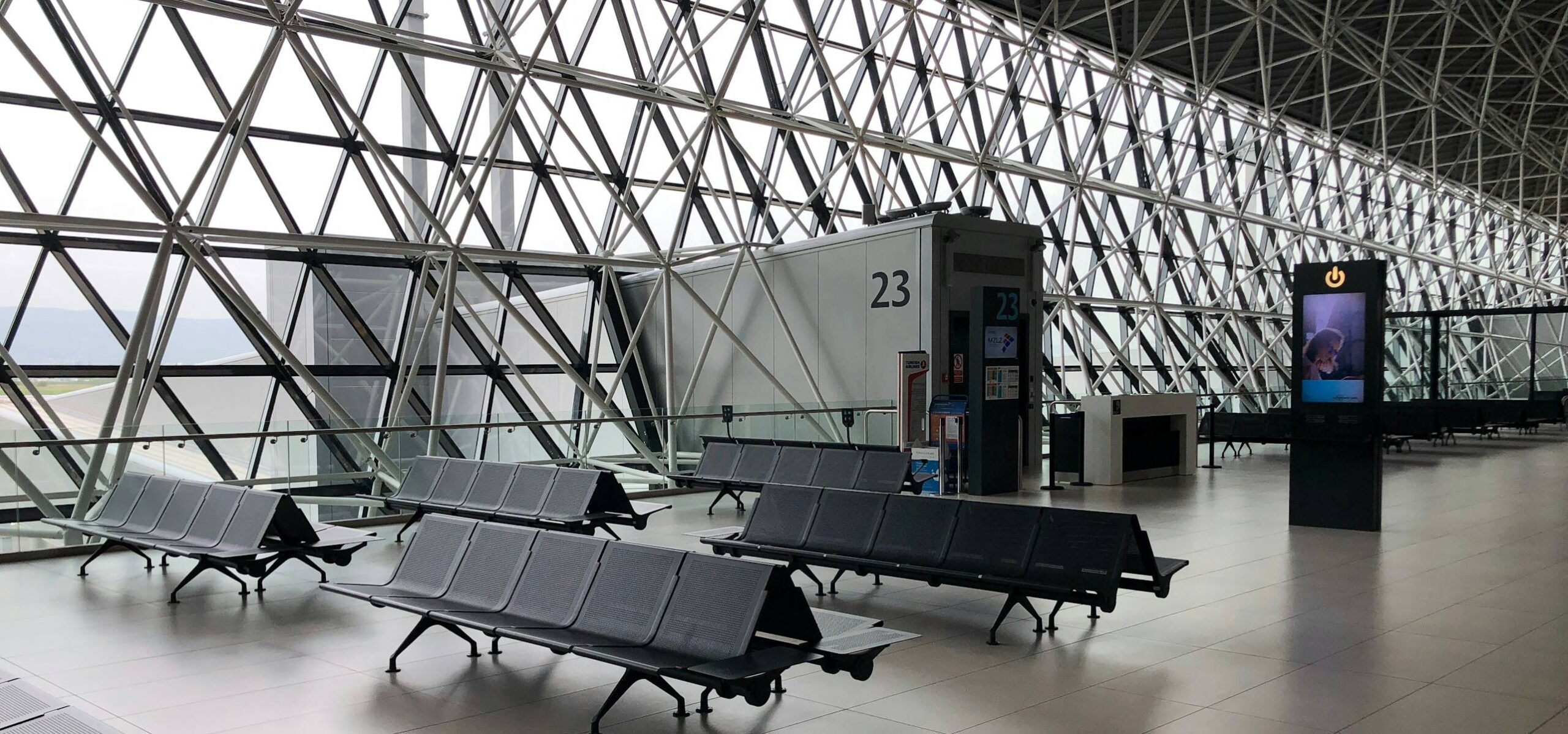
FORT WORTH, TX — July 2, 2026 — Walk through any airport and watch where their passengers spend their time. They wait at the gate, charge their phones, grab lunch, and filling up a water bottle before boarding. Most of their experience happens around assets that few people ever stop thinking about.
The seat they chose, the charging station they depend on, the waste bin they use, the table where they eat. These are not the biggest or most expensive assets in an airport, but they are some of the most visible. When they are clean and well maintained, passengers probably will not notice. When they aren’t, they always do.
For years, airports have done an outstanding job managing major infrastructure like baggage systems, jet bridges, HVAC, and power. Those systems are critical to airport operations. Passenger-facing assets deserve that same level of attention, not because they are more important but because they are used thousands of times every day.
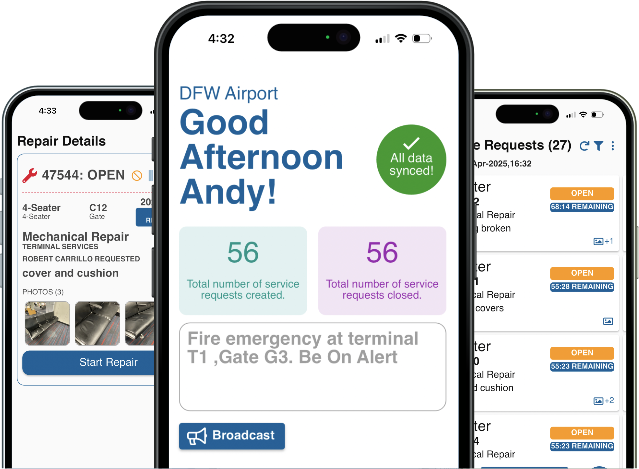
At a large airport, there may be tens of thousands of seats, thousands of charging stations, hundreds of waste and recycling stations, and countless other assets multiple terminals. Keeping track of their condition is not easy, and most maintenance teams already operate with limited time and resources.
That is why so many organizations still depend on inspections, spreadsheets, phone calls, or disconnected systems. Those approaches worked for years, but passenger expectations have changed.
Today, travelers expect the airport experience to work just as well as everything else in their lives. We believe airports should manage these assets differently. At Airline Fabricare Systems, we have spent years working alongside airport maintenance teams, manufacturers, airlines, and facility leaders. We have learned that passenger-facing assets have their own challenges, their own maintenance needs, and their own impact on customer experience.
Other Resources




Ready to See ALINK™ In Action?
Discover how operational visibility can transform your facility’s performance.